
Manufacturing
Gulfstream · Production tooling
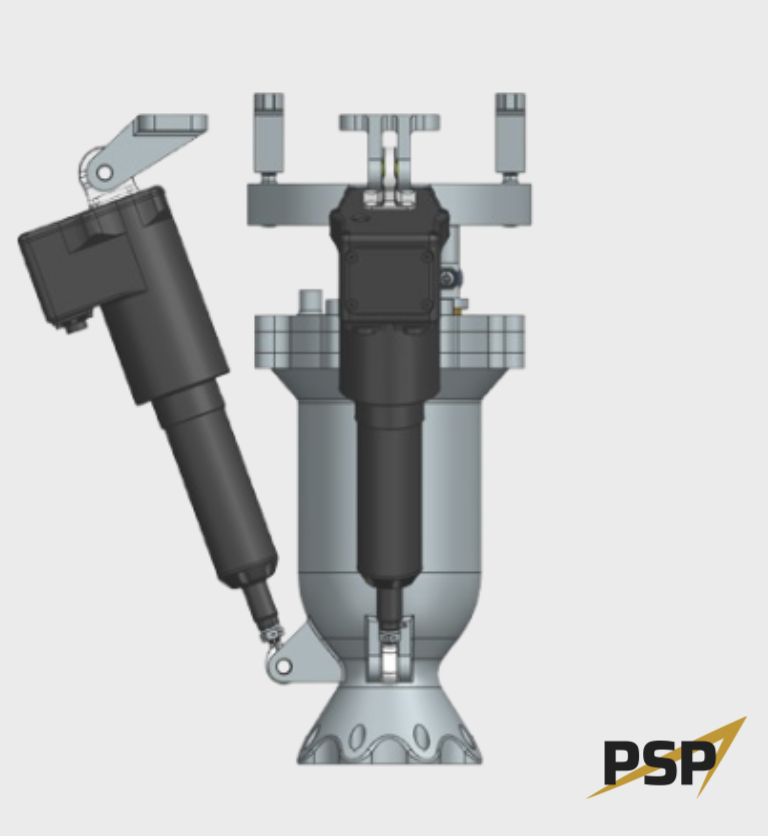
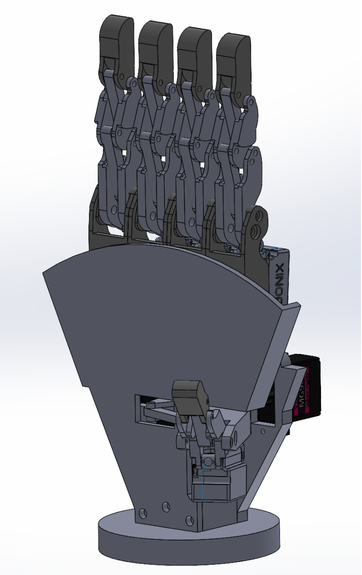
Seven custom tooling projects, from CATIA concepts through internal customer review and delivery.
During my internship in Gulfstream’s Additive Manufacturing Lab, I designed seven custom tooling projects in CATIA. I owned each from concept through internal customer review to delivery, applying design-for-manufacturing and design-for-assembly principles. Two tools were adopted into production on delivery; one cleared a two-month work backlog and helped pull a shipment roughly one month ahead of schedule.
- Custom tooling projects
- 7
- Adopted into production on delivery
- 2
- Shipment pulled ahead by one tool
- ~1 month
A key design decision
Design around how the tool will be used.
The workflow included internal customer review between concept and delivery. DFM/DFA principles and direct feedback connected each CATIA design to its manufacturing and assembly context.
Ownership from concept through delivery
The internship involved seven custom tooling projects for internal production. I designed each in CATIA and carried the work through internal customer review to delivery.
Design-for-manufacturing and design-for-assembly principles guided this work. Customer feedback was part of the design process, connecting the model to the people and workflows that would use the finished tool.
Hands-on additive manufacturing
I operated SLA, FDM, SLS, and DMLS additive manufacturing machines to produce shop aids and training tools for internal production. The equipment included Formlabs, Bambu, Markforged, Stratasys, and EOS machines.
The role also involved preventive maintenance on additive manufacturing equipment. Alongside the tooling projects, I redesigned the lab floor plan to open dedicated space for composite layup work.
- CATIA tooling design with DFM/DFA principles.
- SLA, FDM, SLS, and DMLS machine operation.
- Internal customer review, iteration, and delivery.
- Lab layout improvement and equipment preventive maintenance.
The result on the production floor
Two of the seven tooling designs were adopted into production on delivery. One cleared a two-month work backlog and pulled a shipment roughly one month ahead of schedule.
These results connect the design work to a concrete operational outcome: a tool that enabled work to move forward.
Outcome
Delivered seven custom tooling projects. Two entered production on delivery, with one clearing a two-month backlog and advancing a shipment by roughly one month.